
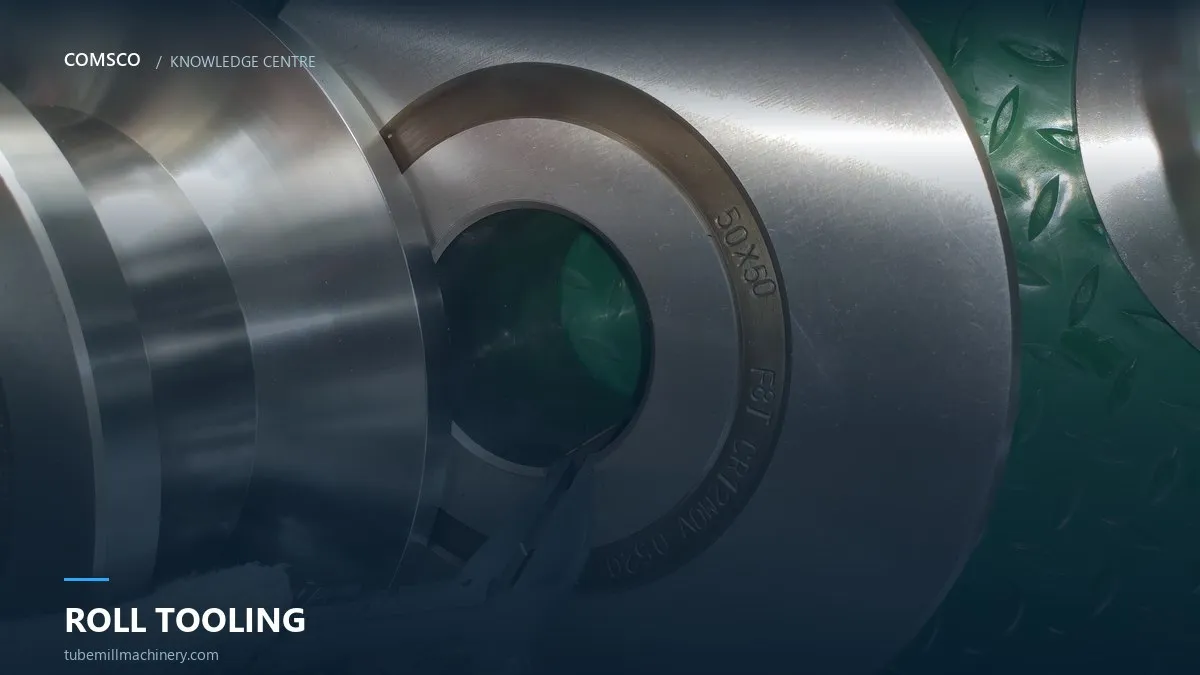
A worn roll does not announce itself. It shows up as a tube that needs a little more sizing pressure, a weld bead that is slightly wider, a surface that is a little duller. By the time the operator notices, the set has often been running past the point where regrinding would have saved it.
These are the four measurements that turn “the rolls feel tired” into a decision.
1. Contact band width
Look at the groove where it touches the strip. A new roll shows a narrow, even contact band. As the roll wears, the band widens and becomes polished. The width of that band relative to the design contact width is the simplest wear indicator you have.
When the band has grown noticeably and the tube needs constant sizing adjustment to hold OD, the groove has opened. At that point regrinding restores the profile — if there is enough material left.
2. Groove profile against the drawing
A profile gauge or a shadowgraph comparison against the original drawing tells you what the contact band cannot: whether the groove has lost its shape or just its size. Wear that is uniform can be reground. Wear that is asymmetric — one shoulder gone, the other intact — usually means misalignment, and regrinding will reproduce the error unless the cause is fixed.
3. Surface condition
| What you see | What it means | Action |
|---|---|---|
| Polished band, even | Normal wear | Regrind when OD control suffers |
| Fine circumferential scratches | Strip debris or galling | Clean, check lubrication, light polish |
| Pick-up / material transfer | Adhesion, common on stainless and galvanised | Clean and coat; review coolant |
| Pitting or spalling | Contact fatigue | Replace — regrinding will not fix subsurface damage |
| Cracks at fillet or keyway | Heat treatment or overload | Replace, and review the load case |
4. Remaining regrind allowance
Regrinding removes material from the groove, so the roll diameter shrinks and the pass line changes. Every roll set therefore has a limited number of regrinds, and that number is a design decision made when the roll was made.
If the set has already been reground several times, the next regrind may bring the roll below the minimum diameter for its stand, or change the pass line enough that the mill cannot compensate. At that point a new set is cheaper than the downtime of chasing tolerance with a set that has no material left.
The economics in one table
| Option | Cost | When it is right |
|---|---|---|
| Adjust the pass / rotate rolls | Hours of setup | Wear is local and the profile is still in tolerance |
| Regrind the set | Grinding + re-setup | Uniform wear with material remaining above minimum diameter |
| Replace part of the set | One or two rolls | Wear concentrated in the fin or sizing stands |
| New roll set | Full set + lead time | Profile lost, fatigue damage, or no regrind allowance left |
Why record-keeping pays
A roll set with no history cannot be managed. Record: hours run, tonnage, tube sizes produced, regrind count, and the OD correction the operator had to apply. After two or three sets you will know your real wear rate — and you will order the next set before the line is down, instead of after.
We also recommend keeping one spare set for your highest-volume size. The set that is on the machine will always fail at the least convenient moment, and a spare set turns a week of downtime into an afternoon of changeover.
When wear is not wear
Before condemning a set, check three things that imitate wear:
- Bearing play. A loose bearing lets the roll float, which shows as uneven contact and a wandering tube.
- Stand alignment. A stand out of line loads one side of the groove and wears it faster.
- Strip width. A strip that is consistently wide forces the rolls to work harder and produces a wear pattern that looks like a tooling fault.
If you send us photographs of the groove and the tube defect together, we can usually tell you which of the three it is. Our roll tooling page covers regrinding and replacement sets, and the tube mill roll set page lists what a complete set includes.
Frequently asked questions
How many times can tube mill rolls be reground?
It depends on the design allowance and the stand. Typically two to four regrinds are possible before the roll falls below its minimum diameter or the pass line can no longer be compensated. Record the regrind count for each set.
How do I know if my rolls are worn or misaligned?
Wear is usually symmetric and progressive, with a widening polished contact band. Misalignment produces asymmetric contact, a spiral or twist in the tube, and wear concentrated on one shoulder.
Should I keep a spare roll set?
For your highest-volume size, yes. A spare set converts an unexpected failure from a week of downtime into an afternoon of changeover, and it also gives you a reference set to compare wear against.
Keep reading

Tube Mill Roll Changeover: Where the Hours Actually Go
Ask a mill manager how long a size change takes and the answer is usually a number with a shrug:…
Roll Material and Heat Treatment: D2, Cr12MoV, GCr15 and What Actually Lasts
Two roll sets can look identical and last very differently. The difference is in the steel grade, the heat treatment…
Tube Mill Roll Design: From Flower Pattern to the First Good Tube
Roll design is not a drawing exercise. It is a sequence of decisions about strip width, bend distribution and edge…
Related Products
Machines that do the job described above — quoted station by station.
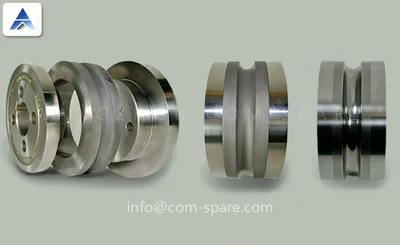 ProductTube Mill Rolls & Roll ToolingPass design, machining and vacuum hardening in-house.View specifications →
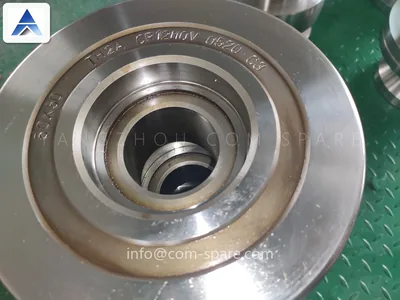 ProductTube Mill RollsFinished passes, ground after hardening.View specifications →
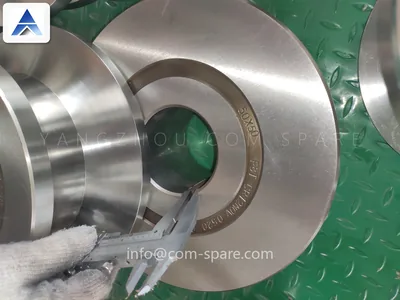 ProductTube Mill MouldForming and sizing moulds to your flower pattern.View specifications →
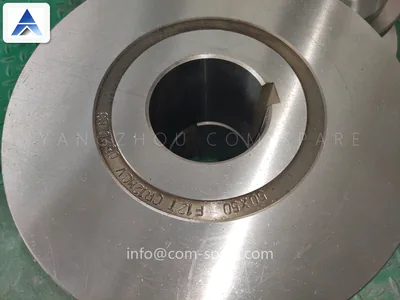 ProductTube Mill Roll SetA complete pass line, numbered and pre-set.View specifications →
 ProductTube Mill Roll DesignFrom flower pattern to finished pass drawing.View specifications →
Need this checked on your own mill?
Send tube OD, wall thickness and the symptom. We reply within one working day.

